
Fitness Supplements for Beginners: The Ultimate Guide to What Really Works

Introduction: The Most Confusing Aisle in the Store
Walk into any supplement store or browse online, and you’re hit with a wall of brightly colored tubs, miracle promises, and scientific-sounding jargon. “Anabolic maximizers,” “thermo-shredders,” “size enhancers”—it’s an overwhelming and expensive world. The truth? Over 95% of the supplements on the market are a waste of money, designed to drain your wallet, not build your body.
At Liftrix Fitness, we believe in a science-first, food-first approach. This is your definitive, no-nonsense guide to supplements for beginners. We’re going to filter out the noise and focus only on the handful of supplements that are backed by robust scientific evidence to help you reach your goals faster and more effectively.
Part 1: The Golden Rule – Supplements Are Supplemental
Before we mention a single product, this is the most important rule: Supplements supplement a great diet; they do not replace it. Think of your fitness journey as a pyramid.
The Base (90% of your results): Solid Nutrition & Consistent, Smart Training.
The Middle (5% of your results): Sleep & Stress Management.
The Peak (0-5% of your results): Smart, Targeted Supplementation.
You cannot supplement your way out of poor nutrition or inconsistent workouts. Master the base of the pyramid first. Once your training and diet are on point, the right supplements can provide that final edge.
Part 2: The “Big Three” – The Only Supplements Most People Truly Need
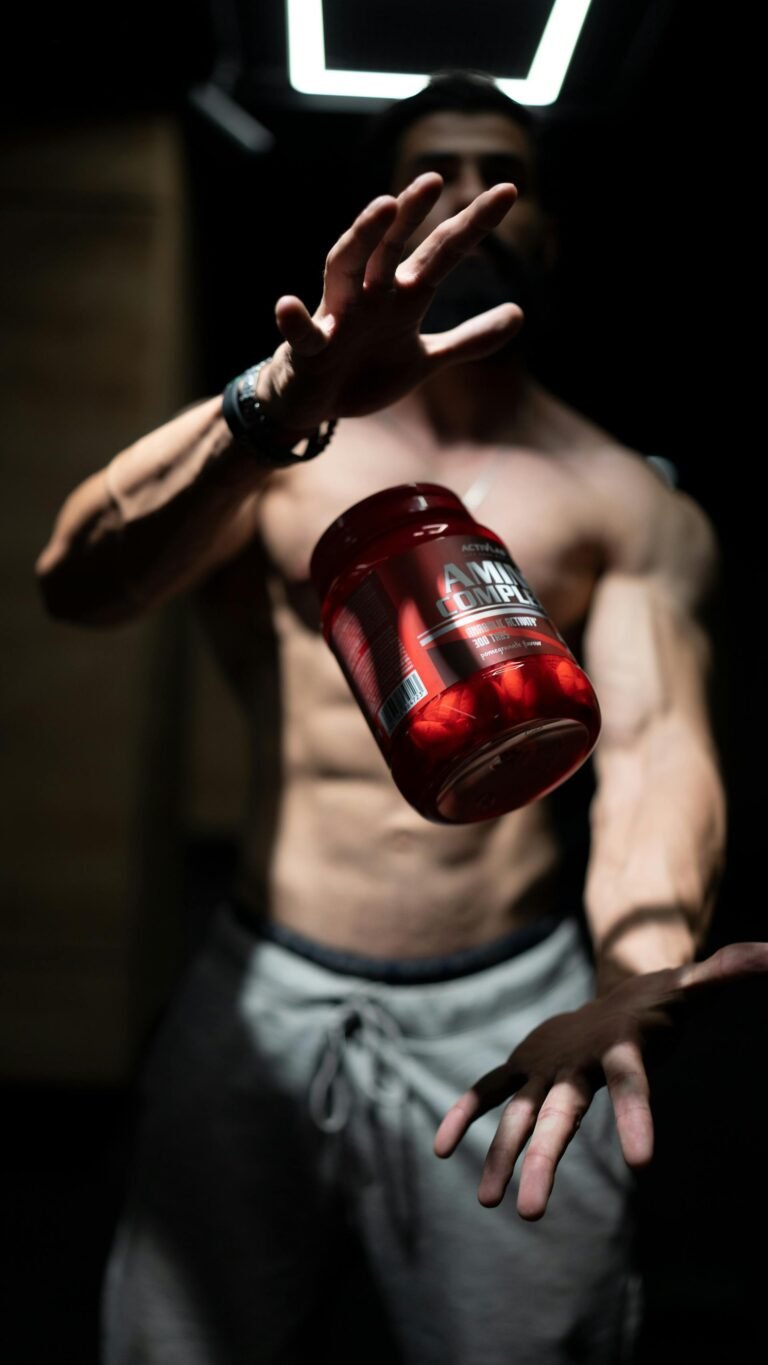
If you’re just starting, focus on these three. They are safe, affordable, and have more scientific backing than everything else on the shelf combined.
1. Protein Powder (The Convenient Foundation)
What it is: A dehydrated, powdered form of protein, typically from whey (milk), casein (milk), or plant sources (pea, soy).
Do you need it? No. You can get all the protein you need from whole foods. However, many people struggle to eat enough. Protein powder is not a magic muscle builder; it’s a highly convenient and cost-effective tool to help you hit your daily protein targets.
Which type?
Whey Concentrate: The standard, most affordable option. Great for most people.
Whey Isolate: More filtered to remove lactose and fat. A good choice if you’re lactose intolerant.
Vegan Protein: Pea, soy, or rice blends are excellent options for those who avoid dairy.
When to take it? Anytime. The post-workout “anabolic window” is largely a myth. What truly matters is your total protein intake throughout the day.
2. Creatine Monohydrate (The Proven Performer)
What it is: The most researched sports supplement in history. It’s a natural compound that helps your muscles produce energy during short, high-intensity efforts, like lifting weights or sprinting.
What it does: It helps you lift one or two more reps, get a little stronger, and work a little harder. Over time, this leads to greater muscle and strength gains. It is not a steroid.
Myths vs. Facts: Decades of research have shown that for healthy individuals, creatine is incredibly safe. It does not cause kidney damage or baldness. It may cause a small amount of water retention inside the muscle (which is a good thing), not under the skin.
How to take it: Keep it simple. Take 3-5 grams of Creatine Monohydrate (the cheapest and most effective form) every day. A “loading phase” is not necessary.
3. Vitamin D3 (The Health Cornerstone)
What it is: The “sunshine vitamin.” It’s technically a hormone that your body produces when exposed to sunlight.
Why it’s important for fitness: Many people, especially in the US and Europe, are deficient. Vitamin D is crucial for bone health, immune function, and plays a role in mood and hormone regulation. While not a direct performance enhancer, ensuring you have healthy levels is foundational for your overall health, which supports your training.
Recommendation: The best way to know if you need it is to get a blood test from your doctor. However, general supplementation with 1,000-2,000 IU of Vitamin D3 per day is considered safe and beneficial for most people.
Part 3: The “Worth a Look” Tier (Situational Supplements)
Once you have the “Big Three” covered, these can be considered based on your specific needs.
Caffeine: A powerful and proven pre-workout aid. A cup of black coffee or a 200mg caffeine pill taken 30-45 minutes before training can significantly improve performance, strength, and focus.
Omega-3 Fish Oil: If you don’t eat fatty fish (like salmon) 2-3 times per week, a quality fish oil supplement can be beneficial for reducing inflammation, supporting joint health, and overall cardiovascular health.
Part 4: The “Save Your Money” Tier – What to Avoid as a Beginner
The majority of the supplement market falls into this category.
BCAAs (Branched-Chain Amino Acids): If you are eating enough protein from sources like meat, eggs, or whey powder, you are already getting plenty of BCAAs. Extra supplementation is redundant and has been shown to be ineffective for muscle growth.
“Testosterone Boosters”: The vast majority of over-the-counter herbal “T-boosters” are backed by little to no human science and are ineffective.
Most “Fat Burners”: These are typically overpriced caffeine pills with a sprinkle of ineffective herbal ingredients. The only thing that truly “burns fat” is a consistent calorie deficit, which is a topic we cover in our articles on fat loss.
Conclusion: Food First, Supplements Second
Building your dream body starts in the kitchen and the gym, not in a supplement tub. Start with a solid foundation of whole foods, a smart training plan, and adequate sleep. Once those are in place, the “Big Three” supplements—protein powder, creatine, and Vitamin D—can help you accelerate your results and support your long-term health.
A smart supplement strategy only works when it’s built on a world-class training foundation. Our programs at Liftrix Fitness provide the expert-designed workouts that will make your nutrition and supplementation efforts truly count.
→ Ready to build the foundation? Explore our programs.
